Kalsdorf
Best restaurants and what to eat
Austria
Kalsdorf bei Graz sits in Styria, a region celebrated for its pumpkin seed oil, orchard fruit, freshwater fish, and hearty farmhouse cooking. The local table reflects the mix of rural Styrian traditions and the nearby Graz culinary influence, with an emphasis on seasonal ingredients, savory pastries, and richly flavored oils and cured foods.
Traditional food
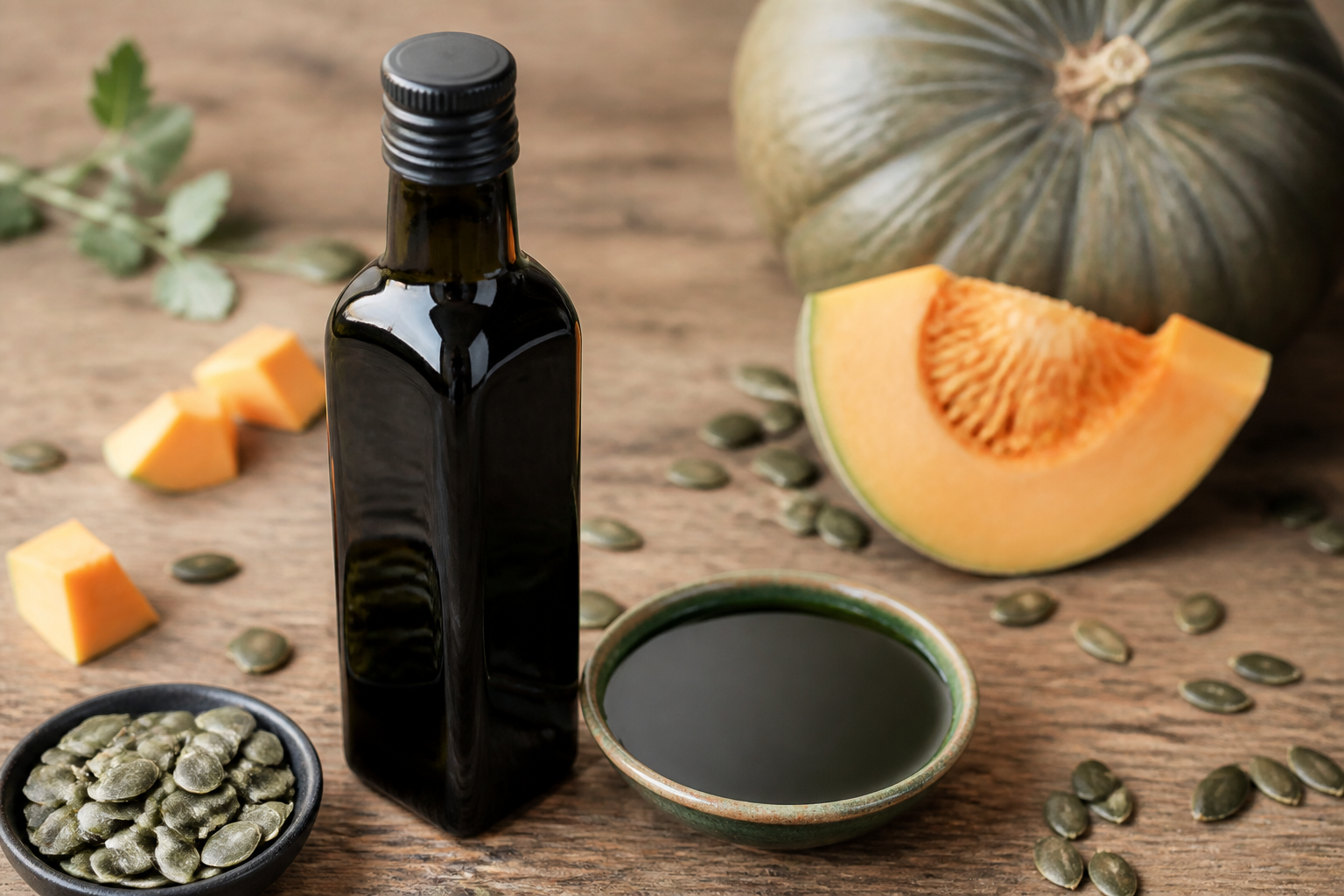
Kürbiskernöl
A deep green, nutty pumpkin seed oil with a silky texture and a roasted aroma that is one of Styria’s signature specialties. It is prized over salads, potato dishes, soups, and even vanilla ice cream for its intense toasted flavor.
Steirische Käferbohnen
Large, dark speckled runner beans with a firm bite and an earthy, slightly sweet flavor, often dressed with onion, vinegar, and pumpkin seed oil. They are a classic Styrian pantry staple and appear in salads and hearty seasonal dishes.
Murbodner Rind
A traditional Styrian beef breed known for flavorful, well-marbled meat suited to roasting and slow cooking. It has a robust, clean beef taste that pairs well with root vegetables and local red wine sauces.
Steirisches Wurzelfleisch
A tender boiled meat specialty from Styria, built on pork or beef simmered with root vegetables and aromatic broth. The dish is valued for its comforting, home-style flavor and is often served with horseradish and potatoes.
Kaiserfleisch
A gently smoked, cured pork cut with a savory, meaty aroma and supple texture, rooted in Austrian farmhouse charcuterie. It is delicious sliced cold, warmed with sauerkraut, or used to enrich rustic dishes.
Grazer Krauthäuptel
A tender, crisp lettuce variety from the Graz area with delicate sweetness and a light buttery texture. It is typically eaten fresh in salads, especially with pumpkin seed oil and vinegar.
Wines & drinks
Schilcher
A distinctive Styrian rosé made from the Blauer Wildbacher grape, known for its bright acidity, red berry notes, and lively, zesty character. It is typically served well chilled and pairs beautifully with cured meats and snack plates.
Sauvignon Blanc Steiermark
A crisp, aromatic white wine from Styria with notes of gooseberry, herbs, and citrus. It is a hallmark of the region’s cool-climate vineyards and is served with fish, salads, and asparagus.
Gelber Muskateller
A fragrant Austrian white wine with floral, grapey, and citrus-driven aromas. In Styria it is prized as a refreshing aperitif and with light appetizers.
Welschriesling
A classic Austrian white wine that can be dry, brisk, and mineral or, in some styles, fruitier and fuller. Local producers in Styria bottle elegant versions suited to everyday drinking and regional cuisine.
Morillon
The Styrian name for Chardonnay, often made in a restrained, mineral style with ripe orchard fruit and subtle oak. It is a favorite with poultry, creamy sauces, and roasted vegetables.
Grauburgunder
A Pinot Gris style with pear, yellow apple, and gentle spice, often with a rounder texture than the region’s sharper whites. It is versatile at the table and widely produced in Styrian vineyards.
Local dishes
Backhendl
A classic Styrian/Austrian fried chicken dish with a crisp, golden crust and juicy meat inside. It is often served with lemon, salad, and sometimes potato salad, making it a hallmark tavern meal.
Steirisches Wurzelfleisch
A comforting boiled meat dish simmered with root vegetables, onions, and spices until tender and fragrant. It is served with broth, horseradish, and potatoes, emphasizing rustic, home-style flavors.
Eierschwammerl mit Sterz
A beloved mushroom dish built around golden chanterelles served with hearty Sterz, creating a savory and earthy combination. The mushrooms bring forest aroma and a delicate bite, while the Sterz adds a rustic, nourishing base.
Bauernsalat
A farmhouse salad of local vegetables, beans, onions, and pumpkin seed oil dressing, often layered with cured meat or cheese. It is refreshing yet substantial, showing off the region’s produce and pantry staples.
Verhackert
A spread of finely chopped cured pork fat and meat seasoned with salt, pepper, and sometimes garlic. It is intensely savory, spread over dark bread, and treasured as a simple but luxurious rural specialty.
Käferbohnensalat
A signature Styrian bean salad with onions, vinegar, herbs, and pumpkin seed oil. The beans are meaty and slightly sweet, making the dish satisfying both as a side and as a light meal.